


Stuffed Animal Buying Guide: Safety, Materials & Sourcing
A good stuffed animal needs more than an appealing design. Soft materials, sturdy stitching, age-appropriate construction, and a fair price all matter.
Materials, safety requirements, and age guidance
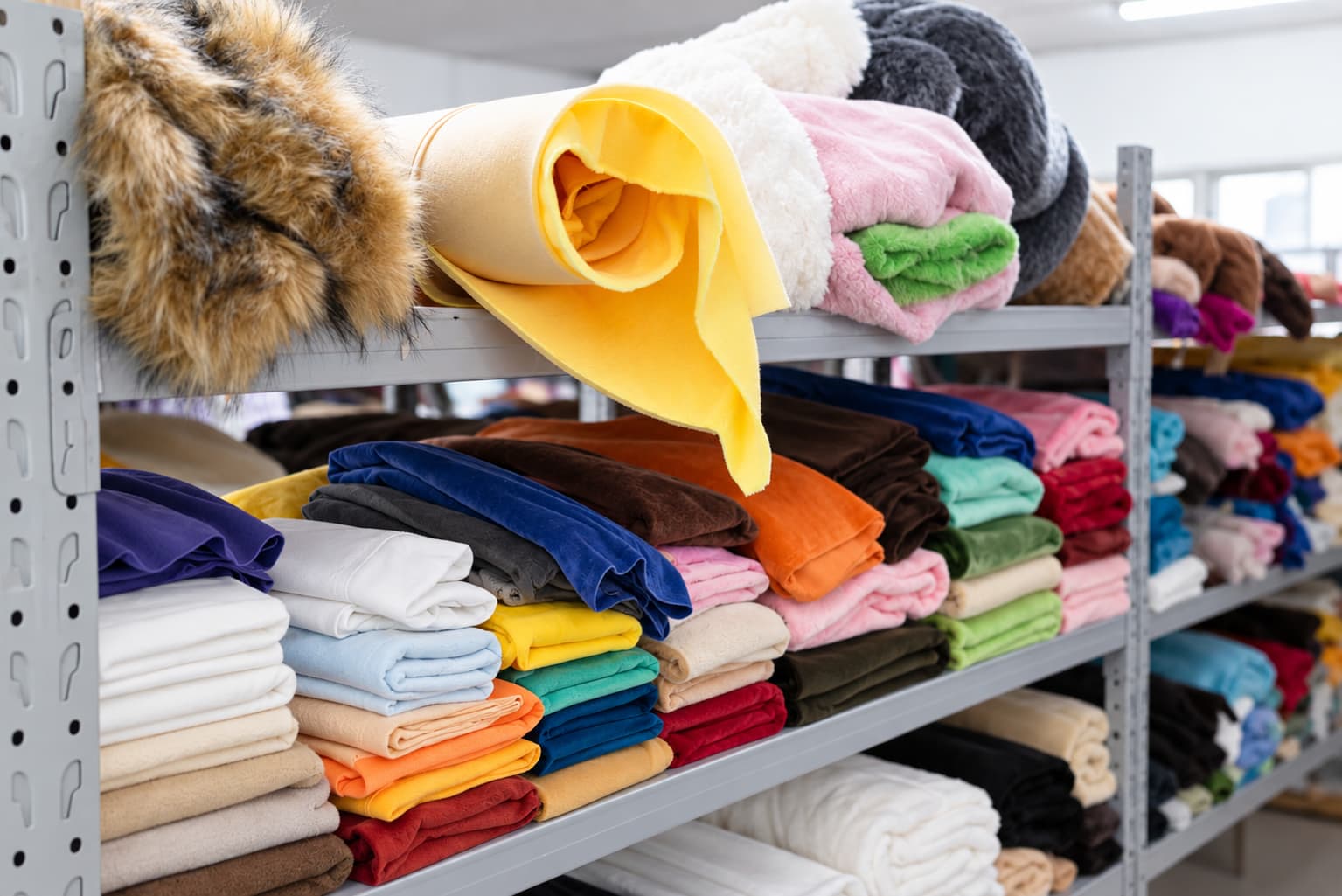
Fabric and construction affect how a plush toy feels, how easily it can be cleaned, and how well it keeps its appearance.
Common materials include polyester plush, short-pile fabrics, faux-fur blends, cotton textiles, and recycled polyester. Polyester fiberfill is widely used because it is lightweight and resilient. Premium collector bears may use mohair or alpaca, while some products marketed as sustainable use organic cotton or recycled fibers.
U.S. toy safety requirements
Children's toys sold in the United States must meet mandatory requirements administered by the Consumer Product Safety Commission (CPSC). These include:
ASTM F963-23, the mandatory toy safety standard incorporated into U.S. regulations, which addresses relevant mechanical, physical, and material hazards.
CPSIA requirements covering applicable testing, certification, and tracking labels for children's products.
Lead limits, generally 100 ppm in accessible components and 90 ppm in applicable paints or surface coatings.
A 0.1% limit for regulated phthalates in covered accessible components.
A Children's Product Certificate (CPC), issued by the responsible domestic manufacturer or importer based on applicable testing.
For toys intended primarily for children 12 or younger, required third-party testing must be conducted by a CPSC-accepted laboratory. ASTM compliance is not a universal certification logo that shoppers can look for on every package. See the CPSC's toy safety guidance.
Choosing plush toys by age
| Age | Features to look for | Main precautions |
|---|---|---|
| 0 to 12 months | Lightweight, age-labeled toys with securely embroidered features | Never leave plush toys in infant sleep spaces |
| 1 to 2 years | Soft, washable designs without detachable small parts | Inspect seams, eyes, and accessories |
| 3 to 5 years | Age-appropriate animal and character plush | Follow small-part warnings |
| 6 years and older | Larger or more detailed designs | Check individual product labels |
| Adult collectors | Decorative and limited-edition plush | Collector pieces may not be children's toys |
Before buying, check the age label, stitching, eye attachments, care instructions, and tracking information. Businesses sourcing plush toys should request applicable laboratory test reports and product-specific compliance documents.
Laboratory testing may assess attachment strength, seams, and other relevant hazards. Destructive pull tests at home are not a substitute for that assessment.
Check applicable flammability compliance and material disclosures as well. Flame-retardant treatment is not automatically necessary or desirable.
Prices, durability, and long-term value
A higher price does not guarantee a longer-lasting toy. Plush prices often reflect design, materials, licensing, distribution, and collector positioning.
For context, official listings include Mary Meyer Putty bears at around $21, Aurora Eco Nation plush at around $13 to $20, and Steiff collector bears priced above $190. Size, promotions, and availability affect the price.
Where to buy and how to check authenticity
A trustworthy seller reduces the risk of receiving counterfeit, misrepresented, or damaged plush.
Buying options
Official brand websites provide direct access to product specifications, new releases, brand policies, and authorized retailer information.
Major retailers such as Target, Walmart, and Pottery Barn Kids carry stuffed animal collections. Selection varies, and some listings may involve third-party sellers.
On Amazon, check who is actually selling the item, along with the listing details, return eligibility, and authenticity. A marketplace listing is not necessarily sold directly by the brand.
Independent toy stores let you feel the fabric and examine the stitching before buying.
For discontinued designs, eBay and specialist collector communities may offer more choice. Condition and provenance need closer attention when buying secondhand.
The U.S. Federal Trade Commission recommends checking seller histories, product photographs, return terms, and payment protections before making marketplace purchases.
Sustainability and manufacturing origins
Environmental claims need to be checked at the product level. A brand may offer recycled materials in one collection without using them throughout its range.
Recycled materials and organic cotton
Organic cotton plush is another option for buyers seeking certified organic textile inputs. Check the relevant Global Organic Textile Standard (GOTS) documentation and its coverage rather than relying on a general "organic" description.
Recycled content alone does not establish lower carbon emissions, ethical manufacturing, or the sustainability of the whole product.
Where stuffed animals are made
A brand's headquarters may be in a different country from the factory that makes its toys.
Check the country-of-origin label on the individual product. Commercial buyers should also request supplier information. When assessing sustainability or ethical sourcing claims, examine valid certificates, material traceability, factory audit evidence, and documented labor practices.
Custom plush toys and wholesale orders
Retail personalization, individual commissions, and factory production serve different needs.
Personalized retail plush may offer embroidered names or decorative accessories. Independent plush artists can suit individual projects, while factory OEM/ODM production is generally more appropriate for repeatable branded collections.
Before placing a wholesale order, confirm:
The minimum order quantity for each design.
Prototype development and sample charges.
Fabric, embroidery, and packaging options.
Applicable toy safety testing requirements.
Production lead times and shipping arrangements.
Volume pricing and how defects will be resolved.
There is no universal wholesale minimum, discount percentage, or lead time. Each depends on the design's complexity, materials, order quantity, and supplier capacity.
Looking for a custom stuffed animal manufacturer?
Retail brands can provide useful references for softness, styling, packaging, and consumer appeal. Businesses developing their own plush collections also need a manufacturer that can turn a concept into consistent finished products.
NEWHORSE TOYS provides OEM/ODM plush toy development and manufacturing services. Its two production facilities in China have approximately 20,000 square meters of combined factory space, supported by an experienced development team and specialized embroidery, cutting, and filling equipment.
For a branded animal collection, promotional mascot, or custom character plush, share your design, target dimensions, preferred materials, and estimated order volume.
Frequently asked questions
How can I check stuffed animal safety?
Read the age label, inspect attachments, and check applicable CPSC recalls. If you are buying for commercial distribution, request the relevant compliance documents.
Are there eco-friendly stuffed animal brands?
Aurora Eco Nation and Wild Republic Ecokins offer recycled-material options. For organic textile claims, check relevant GOTS documentation and confirm that it covers the product you are buying. These details help you assess specific environmental claims.
Can I order custom plush toys in small wholesale quantities?
Yes, depending on the supplier and design. Send your artwork, target size, fabric preferences, packaging requirements, and intended order quantity so the supplier can prepare an accurate quote and sampling schedule.
